




Thermography in Conveyor Systems
An unexpected equipment failure can lead to production downtime, additional costs and disruptions throughout the entire production process. This is why regular condition monitoring plays an important role in preventive maintenance.
One effective way to identify developing problems at an early stage is thermography, or thermal imaging.
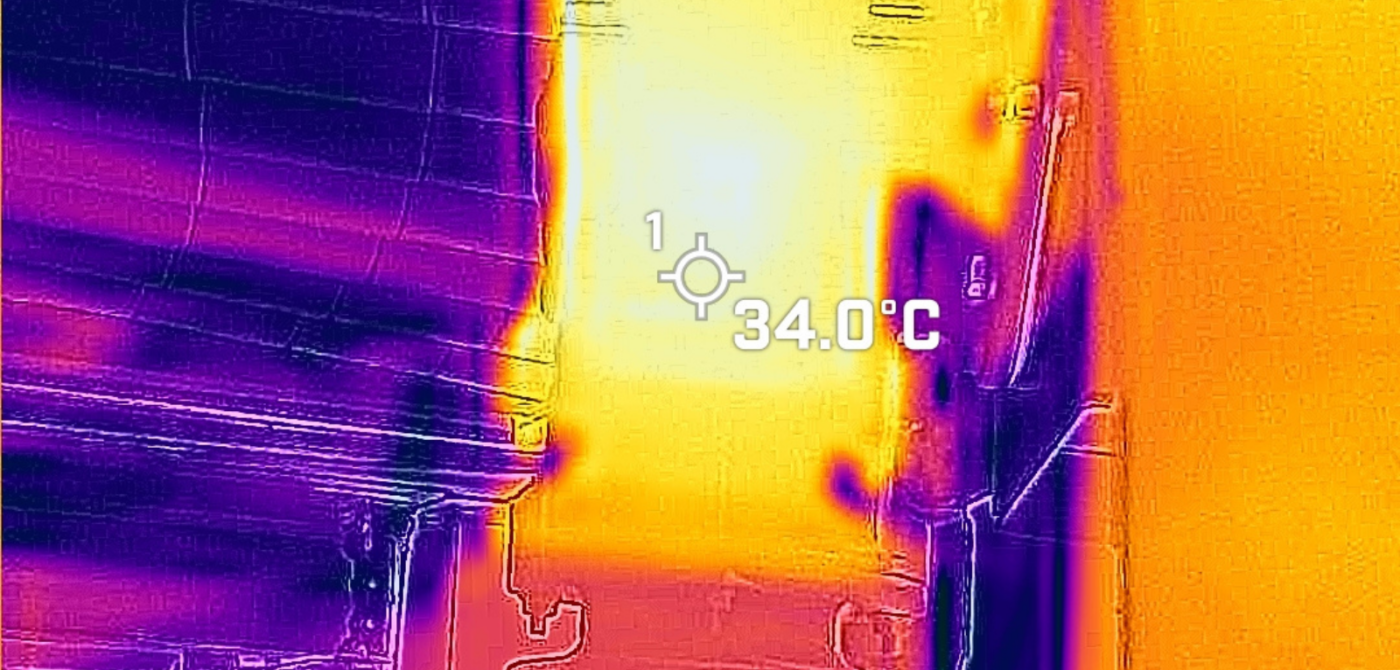
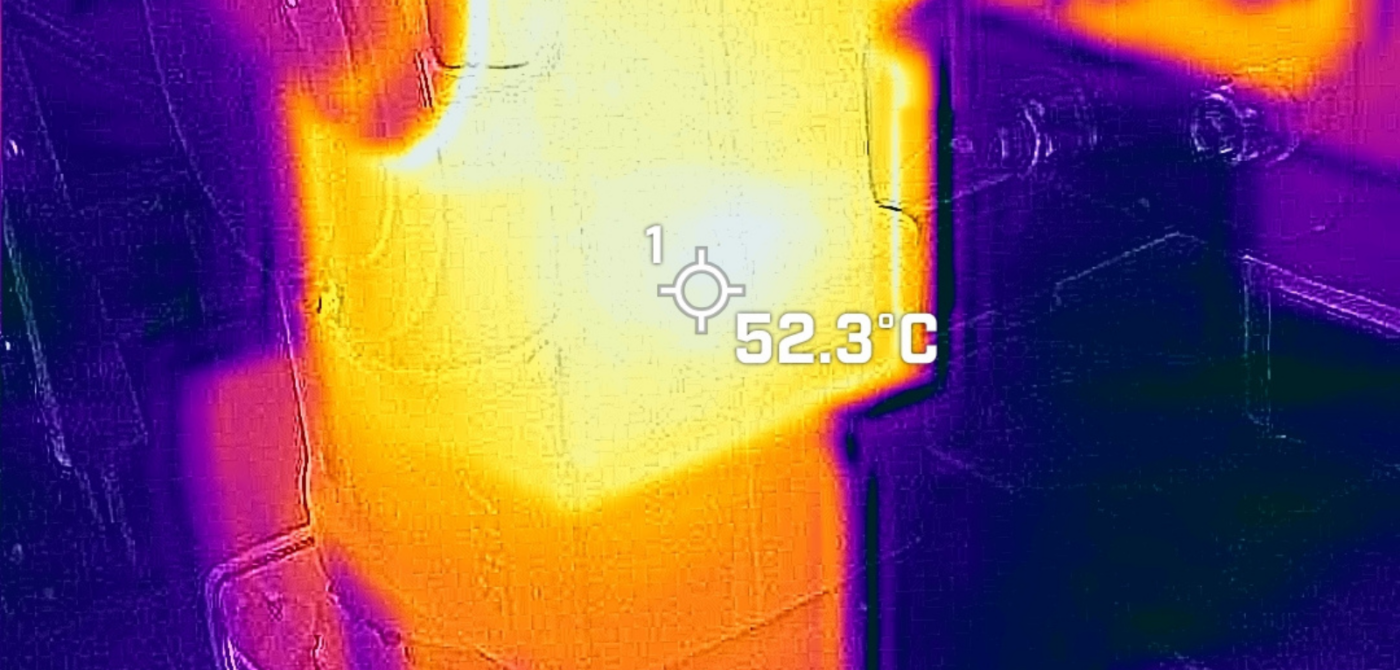
Thermal cameras make it possible to identify temperature differences while equipment is operating. In conveyor systems, thermography can be used to inspect motors, bearings, rollers, drives and other rotating or moving components.
What can thermography reveal?
Many mechanical problems result in changes in temperature before they develop into a failure.
Thermal imaging can help identify:
- overheating caused by excessive load or developing component problems;
- increased friction in bearings and other rotating parts;
- alignment issues that create uneven loads and increased temperatures;
- problems with rollers and bearings;
- abnormal loads in motors and drives;
- other unusual temperature patterns that may indicate a developing fault.
One of the advantages of thermal imaging is that inspections can be carried out while equipment is operating normally. It can reveal temperature anomalies that would not necessarily be visible during a standard visual inspection.
One measurement shows the current situation. Historical data shows the trend.
The real value of thermography goes beyond performing an individual inspection.
For effective condition monitoring, data should be collected, stored and compared consistently over time.
Tracking the temperature of the same component under similar operating conditions makes it easier to recognise developing trends before they turn into serious problems.
For example, a slightly elevated temperature during one inspection may not necessarily indicate a fault. However, if the temperature of the same component continues to increase over several measurements under comparable conditions, there may be a reason for further investigation.
This allows maintenance teams to move from reactive maintenance towards a more condition-based and preventive approach.
Continuous monitoring for critical equipment
Not every component requires continuous monitoring.
However, for equipment that is critical to the production process, fixed thermal monitoring systems can be used to continuously observe temperature conditions and provide real-time data.
This can be particularly valuable in applications where an unexpected failure would have a significant impact on production or where regular manual inspections are difficult to perform.
Thermography as part of a wider maintenance strategy
Thermography does not replace other diagnostic and maintenance methods. Its value is greatest when it forms part of a wider condition-monitoring strategy and, where necessary, is combined with methods such as vibration monitoring, ultrasound or other diagnostic techniques.
The objective is simple: identify changes early enough to plan maintenance before a developing problem results in unplanned downtime.
At Apeco, thermography is one of the many tools we use in our daily work to evaluate equipment condition and support preventive maintenance.
Reliable maintenance does not start when the conveyor stops. It starts with understanding what is happening inside the system while it is still running.
If you would like to discuss how to improve the reliability and maintainability of your conveyor systems, get in touch with us.